Kayla Sisomphone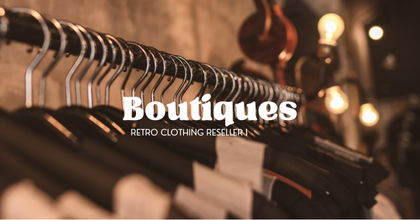
Boutiques are small, specialized retail shops known for their curated, distinctive merchandise. Unlike large chain stores, boutiques focus on a specific theme or style, stocking limited quantities of high-quality or trendy item. Customers visit boutiques for the unique finds and personal touch – owners often handpick collections each season, creating a shopping experience that feels intimate and exclusive. For example, a modern fashion boutique may have carefully arranged racks and minimalist decor to highlight its carefully chosen apparel.
Types of Boutiques
Boutiques come in many varieties. Some common types include:
- Fashion Boutiques: Focus on trendy clothing and accessories for men, women (and sometimes children)https:///what-is-fashion-boutique-types-purposes-and-advantages/#:~:text=1,of%20different%20designers%20and%20brandst. These shops carry curated assortments of dresses, tops, handbags, shoes and more, often showcasing independent designers or niche labels.
- Bridal and Special Occasion Boutiques: Specialize in wedding gowns, bridesmaid dresses, formalwear, and related accessories. They offer personalized fittings and a wide range of upscale, one-of-a-kind pieces for events.
- Vintage and Thrift Boutiques: Sell retro or vintage-inspired apparel, jewelry, and sometimes home items. These stores curate secondhand or reproduction goods from past eras, appealing to shoppers seeking nostalgia or unique styles.
- Luxury Boutiques: Carry high-end designer brands and exclusive collections. These boutiques emphasize premium quality and luxury labels, often with very limited inventory of the latest fashion trends.
- Concept or Themed Boutiques: Curate merchandise around a specific idea or lifestyle theme. For example, a “boho” boutique might only carry bohemian-style clothing and accessories, creating a distinctive brand identity.
- Lifestyle and Home Décor Boutiques: Blend fashion with broader lifestyle products, including furniture, home accents, gifts, beauty products, and stationery. These boutiques offer a holistic shopping experience, appealing to customers decorating a space or seeking unique home goods.
- Online Boutiques: Operate primarily through e-commerce and social media. These shops carry curated fashion or specialty items online, allowing customers to shop niche styles from anywhere. Many started as Instagram or web-based stores and use digital marketing to reach target customers.
What Makes Boutiques Unique?
Boutiques stand out from mass retailers in several ways:
- Curated, Limited Selection: Boutiques carry a handpicked assortment rather than mass-produced stock. This means each item is often unique or limited-run, so customers can find styles not available at big-box stores. The small inventory allows owners to rotate merchandise frequently and follow trends closely.
- Personalized Service: Staff at boutiques typically offer one-on-one attention and fashion advice. Customers might receive styling tips from the owner or dedicated sales associates. This contrasts with the self-service model of large retailers, making the shopping experience feel exclusive and customized.
- Exclusive and Local Products: Boutiques often feature independent or local designersShoppers may discover handcrafted accessories or limited-edition pieces they won’t see elsewhere. This exclusive selection is a key appeal – many boutiques pride themselves on unique inventory sourced from artisans or emerging brands.
- Distinct Atmosphere: Boutiques invest in creating a specific ambiance or aesthetic. Whether it’s a vintage-chic decor or an ultra-modern minimalist space, the store environment is designed to reflect the boutique’s brand. This themed atmosphere enhances the customer’s experience and reinforces the boutique’s identity.
- Premium Pricing (for Premium Quality): Because boutiques sell specialized, high-quality items in small quantities, prices are often higher than at discount chains.. Customers expect to pay more for the unique selection and expert service. In return, they get products with better materials or design and a luxury shopping experience.
Boutique Operations and Scale
Business Model: Boutiques generally follow a traditional retail model (buy low, sell high) but on a much smaller scale. They typically do not manufacture their own products – instead, boutique owners curate merchandise from designers, wholesalers, and artisans. This sourcing flexibility lets boutiques quickly stock new trends each season without the long lead times of manufacturing. Financially, boutiques still rely on healthy profit margins: they buy inventory at wholesale and sell at marked-up prices, covering expenses like rent and payroll.
Size and Structure: Boutiques are much smaller than department stores or large chains. A typical boutique might be under 2,500 square feet, and many are as small as a single storefront. For example, a “small boutique” case study describes a store around 800 square feet. Such a modest footprint usually means a handful of staff – often the owner plus a few salespeople. Because of the small size, boutique owners must carefully plan layouts for visual impact and efficient use of space. The intimate size also helps reinforce the personalized atmosphere – customers are easily greeted and guided through the shop.
Brand and Expansion: Many boutiques start as one-location shops. Successful ones can evolve into independent brands, opening additional outlets under the same name. However, expansion is usually cautious; boutiques must maintain their curated focus and brand identity even as they grow. Some boutiques combine brick-and-mortar and online operations to reach more customers while preserving their unique style.
Customer Experience and Appeal
Boutiques excel at creating a memorable shopping experience, which drives customer loyalty. Key elements of this strategy include:
- Personalized Attention: Boutique staff often know regular customers by name and understand their preferences. They provide individualized service (e.g. outfit suggestions, tailored fittings) that big retailers generally do not offer. Many boutiques host private shopping events or styling appointments to deepen customer relationships.
- Community and Authenticity: Shopping at a boutique can feel like supporting a community. Customers often appreciate that boutique purchases help local entrepreneurs and designers. This connection can make the shopping experience more fulfilling than buying from a faceless chain. A recent industry survey found that Millennial and Gen Z shoppers prefer the vibe of independent, specialty retailers over larger stores. They value the authenticity and story behind boutique goods.
- Unique Discoveries: Boutiques appeal to customers looking for something special. Shoppers enjoy the thrill of finding a piece that “no one else has”. Boutiques cater to niche tastes – whether it’s a certain style, ethical material, or handcrafted item – and this uniqueness is a major draw. In fact, customers often return to boutiques season after season to see what new curated items are available.
- Quality and Sustainability: Many boutiques emphasize quality over quantity. They often stock durable, well-made products and may highlight sustainable or eco-friendly materials. Some boutiques even offer repairs, resell used items, or carry certified sustainable brands – aligning with consumer demand for ethical fashion. Knowing that they can find higher-quality, possibly eco-conscious goods adds to the boutique’s appeal.
In summary, the appeal of boutiques lies in their curated, high-value offerings and the special customer experience. Shoppers who dislike the sameness of chain stores are drawn to boutiques for exclusive finds, personal service, and a sense of discovery.
Industry Trends: Online Growth and Sustainability
Rise of Online Boutiques: The digital age has expanded the boutique concept onto the internet. Many boutiques now operate online stores or use social media (Instagram, TikTok) to sell and market their products. This shift allows small shops to reach a global audience with minimal overhead. Industry examples show independent retailers strengthening their e-commerce platforms to boost sales and offset higher brick-and-mortar costs. Shopping trends also favor social commerce; for instance, a large percentage of young consumers discover new brands on Instagram. As a result, digital boutique platforms and niche online marketplaces have proliferated, blurring the line between “boutique” and “e-commerce” in retail.
Sustainable and Ethical Fashion: Sustainability is a major trend in the boutique sector. Consumers today are more eco-conscious, and boutiques often cater to this by curating ethically made or upcycled products. Recent reports note that the secondhand clothing market is booming (projected to reach $350 billion by 2028) and that many shoppers want resale options. Boutiques have tapped into this by selling vintage goods or hosting clothing swaps and rental programs. Additionally, because boutiques focus on quality, they naturally align with “slow fashion” ideals – promoting longevity over fast-fashion disposability. Many boutique owners prioritize transparency and environmental responsibility in sourcing, which resonates with values-driven buyers. In short, boutiques are positioned well for the sustainable fashion movement, differentiating themselves from mass-market retailers through eco-friendly and socially responsible practices.
Overall, boutiques remain a vibrant part of the retail landscape by combining personalized service, unique merchandise, and trend-savvy operations. Whether in a cozy storefront or through an online storefront, boutiques continue to attract customers looking for a distinctive shopping journey and products that reflect their individuality.